

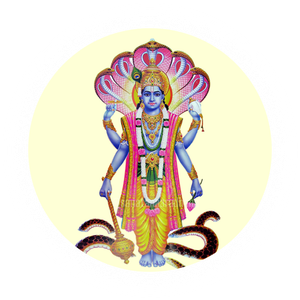
सूतजी ने अट्ठासी हज़ार ऋषियों से कहा — “हे मुनिवरगण! यह प्रसंग बहुत प्राचीन है। एक बार चक्रवर्ती राजा मान्धाता ने अपने कुलगुरु महर्षि वशिष्ठ से निवेदन किया — ‘हे गुरुदेव! मुझे ऐसा कोई व्रत बताइए जो सब व्रतों का सार हो, जो पापों को जड़ से हर ले और अंत में भगवान के धाम तक पहुँचा दे।’”
इस पर वशिष्ठजी ने बड़ी प्रसन्नता से कहा — “राजन! फाल्गुन शुक्ल की जो एकादशी आती है, उसे ‘आमलकी एकादशी’ कहते हैं। यह विष्णुभक्तों का अत्यंत प्रिय व्रत है। इसका फल हज़ार गौदान के बराबर कहा गया है और इस दिन पूजित आँवला केवल फल नहीं रह जाता — वह विष्णुस्वरूप मान लिया जाता है, क्योंकि पुराविदों का कथन है कि इसकी उत्पत्ति स्वयं श्रीहरि के मुख से हुई है।”
व्रत की उत्पत्ति का प्रसंग
वशिष्ठजी बोले — “यह कथा एक ऐसे नगर की है जिसका नाम था वैदिक। यह नगरी पुण्यात्माओं की नगरी थी — वहाँ ब्राह्मण अपने वेदपाठ में रमे रहते, क्षत्रिय धर्म की रक्षा करते, वैश्य दानशील थे और शूद्र भी सेवा में निरत रहकर नियम का उल्लंघन न करते। नगर में चोरी, छल, नास्तिकता या देवद्वेष जैसा कोई दोष नहीं था।
उसी नगर में चन्द्रवंशी राजा चैत्ररथ राज्य करता था। वह नीति-सम्पन्न, दानी और वैष्णव-धर्म का अनुगामी था। उसके राज्य में एक व्यवस्था थी — जो एकादशी आये, राजा से लेकर बालक तक सब व्रत करेंगे। कोई बहाना नहीं।”
फाल्गुन शुक्ल की वह एकादशी
फाल्गुन शुक्ल की आमलकी एकादशी आई। उस दिन राजा स्वयं आगे रहे। नगरवासी, मंत्री, सैनिक, स्त्रियाँ, वृद्ध — सबने मिलकर मंदिर में प्रवेश किया। वहाँ एक स्वच्छ स्थान पर कलश स्थापित किया गया, धूप, दीप, नैवेद्य, पंचरत्न और छत्र से धात्री (आँवला) वृक्ष का पूजन किया गया। सबने एक स्वर से प्रार्थना की —
“हे धात्रीदेवी! आप ब्रह्मतत्त्व से प्रकट हुई हैं, आप पाप-शोषिणी हैं, श्रीराम द्वारा पूजिता हैं — हमें स्वीकार कीजिए, हमारे दोष उतारिए।”
रात्रि भर वहाँ हरिनाम, कथा, एकादशी-माहात्म्य और कीर्तन चलता रहा।
बहेलिये का संयोग
उसी रात एक बहेलिया इधर-उधर भटकते-भटकते मंदिर तक चला आया। वह स्वभाव से हिंसक था, जीव-जंतु मारकर परिवार पालता था, साधु-संत का आचरण उसे न प्राप्त था — पर उस दिन वह भूख-प्यास से टुटा हुआ था। सोचा — “चलो, यहीं बैठ जाता हूँ।”
वह एक कोने में बैठ गया। वहाँ जो हरिकथा हो रही थी, जो एकादशी का माहात्म्य गाया जा रहा था, जो भजन चल रहे थे — वह सब उसके कानों में भी पड़ता गया। उसने न तो व्रत का संकल्प लिया, न विधि जानी — बस जागता बैठा रहा। प्रातः सब अपने घरों को लौटे तो वह भी लौट गया और अपने ढंग से भोजन कर लिया।
परन्तु भगवान की व्यवस्था देखिए — उसने अनजाने ही एकादशी-जागरण कर लिया था और श्रीहरि की कथा भी सुन ली थी।
अगला जन्म — राजा वसुरथ
कुछ समय बाद उस बहेलिये की मृत्यु हो गई। उसके जीवन में हिंसा अधिक थी इसलिए सामान्यतः उसे नीच गति मिलती, पर उस एक रात्रि के जागरण और आमलकी-पूजन-सभा में उपस्थित रहने के पुण्य से उसे चन्द्रवंशी राजा विदुरथ के यहाँ जन्म मिला। नाम पड़ा — वसुरथ।
यह वसुरथ बड़ा होकर अत्यंत तेजस्वी, बलवान, दानी और धर्मपरायण राजा बना। उसके पास चतुरंगिणी सेना थी, दस हज़ार ग्राम उसके अधीन थे, मुख पर चन्द्र जैसी शीतलता थी और वीरता में वह विष्णु-सा प्रतीत होता था। यह सब उसी पूर्वजन्म की एकादशी-जागरण की कमाई थी।
वन में संकट
एक बार राजा वसुरथ शिकार के लिए निकल पड़ा। वन विशाल था, मार्ग भटक गया। दोपहर ढली तो वह एक पेड़ के नीचे विश्राम करके सो गया। तभी पहाड़ी डाकुओं का झुंड आया।
डाकुओं ने राजा को पहचान लिया और कहने लगे — “यही है वह राजा! इसने पहले हमारे कुल को उजाड़ा था, हमारे लोगों को दण्डित किया था — आज बदला पूरा करेंगे!”
वे सब मिलकर राजा पर टूट पड़े। जिसने जो हथियार था — भाला, कृपाण, शूल — सब राजा की देह पर चलाए।
पर आश्चर्य! वे शस्त्र जैसे ही राजा को छूते, फूल की तरह झर जाते। जो बाण उसे लगना चाहिए था, जैसे थम जाता। डाकू हतप्रभ! वे फिर-फिर प्रहार करते, लेकिन राजा को आघात ही न होता।
देवी का प्रकट होना
तभी राजा के शरीर से एक दिव्य स्त्री प्रकट हुई — उज्ज्वल, आभूषणों से विभूषित, पर भृकुटी तिरछी, नेत्रों से अग्नि सी ज्वाला निकलती हुई।
उस देवी ने एक ही क्षण में उन डाकुओं के सारे अस्त्र उल्टे उन्हीं पर फेर दिए। जो राजा पर चला रहे थे, वही उनके ऊपर बरसने लगे। देखते-ही-देखते सब डाकू धराशायी हो गए।
राजा की नींद खुली तो चारों ओर शव पड़े थे। चकित होकर सोचने लगा — “मैं तो अकेला था, ये सब कौन कर गया? इस वन में मेरा कौन हितैषी है?”
उसी समय आकाश से वाणी हुई — “हे राजन! यह तेरी रक्षा स्वयं भगवान विष्णु ने की है। तू जिसे भूल चुका था, उसने तुझे नहीं भुलाया। यह सब आमलकी एकादशी के संस्कार का ही प्रभाव है।”
राजा ने उसी समय भगवान को नमस्कार किया और अपने नगर को लौट आया।
व्रत का फल
वशिष्ठजी ने कहा — “हे मान्धाता! तुम समझ लो — उस बहेलिये ने न संकल्प जाना, न मंत्र जाना, न विधि जानी — फिर भी अकेले आमलकी एकादशी के दिन कथा-संगत और जागरण का इतना प्रभाव हुआ कि अगले जन्म में राजा हुआ, और संकट में स्वयं भगवान की शक्ति उसके अंग से प्रकट होकर रक्षा करने लगी।
तो जो व्यक्ति जानबूझकर, विधि से, आँवले का पूजन करके, विष्णु का स्मरण करके यह व्रत करेगा — उसके पाप तो जड़ से कटेंगे ही, उसके कर्म-मार्ग में छिपे संकट भी अपने-आप उल्टे पड़ेंगे।”
कथा-सार
• फाल्गुन शुक्ल की आमलकी एकादशी वैष्णव-मार्ग की बहुत कोमल और बहुत शक्तिशाली एकादशी मानी गई है।
• आँवला यहाँ केवल औषधि नहीं, विष्णु-प्रसूत, पाप-हर, कल्याण-कारिणी शक्ति के रूप में प्रतिष्ठित है।
• अनजाने में भी यदि कोई इस तिथि पर हरिकथा-संगत, जागरण या देव-पूजन में बैठ गया तो उसका लाभ मिलता है — यह कथा इसका साक्ष्य है।
• संकट के समय जो “अदृश्य रक्षा” मिलती है, वह अक्सर ऐसे ही संचित सत्कर्मों का फल होती है।
• इसलिए इस एकादशी को “सब व्रतों से उत्तम और अन्ततः वैकुण्ठदायिनी” कहा गया है।
Sutji Ne Atthasi Hazar Rishiyon Se Kaha — “He Munivrgan! Yah Prasang Bahut Prachin Hai. Ek Bar Chakrvarti Raja Mandhata Ne Apne Kulguru Maharshi Vashishth Se Nivedan Kiya — ‘He Gurudev! Mujhe Aisa Koi Vrat Bataie Jo Sab Vraton Ka Sar Ho, Jo Papon Ko Jad Se Har Le Aur Ant Men Bhagwan Ke Dham Tak Pahuncha De.’”
Is Par Vashishthji Ne Badi Prasannta Se Kaha — “Rajan! Phalgun Shukl Ki Jo Ekadashi Ati Hai, Use ‘Amlki Ekadashi’ Kahte Hain. Yah Vishnubhakton Ka Atyant Priy Vrat Hai. Iska Phal Hazar Gaudan Ke Barabar Kaha Gaya Hai Aur Is Din Pujit Anvla Keval Phal Nahin Rah Jata — Vah Vishnusvrup Man Liya Jata Hai, Kyonki Puravidon Ka Kathan Hai Ki Iski Utpatti Svayan Shrihri Ke Mukh Se Hui Hai.”
Vrat Ki Utpatti Ka Prasang
Vashishthji Bole — “Yah Katha Ek Aise Nagar Ki Hai Jiska Nam Tha Vaidik. Yah Nagri Punyatmaon Ki Nagri Thi — Vahan Brahmin Apne Vedpath Men Rame Rahte, Kshatriy Dharma Ki Raksha Karte, Vaishy Danshil The Aur Shudr Bhi Seva Men Nirat Rahkar Niyam Ka Ullanghan N Karte. Nagar Men Chori, Chhhal, Nastikta Ya Devadvesh Jaisa Koi Dosh Nahin Tha.
Usi Nagar Men Chandrvanshi Raja Chaitrrath Rajy Karta Tha. Vah Niti-Sampann, Dani Aur Vaishnav-Dharma Ka Anugami Tha. Uske Rajy Men Ek Vyavastha Thi — Jo Ekadashi Aye, Raja Se Lekar Balak Tak Sab Vrat Karenge. Koi Bahana Nahin.”
Phalgun Shukl Ki Vah Ekadashi
Phalgun Shukl Ki Amlki Ekadashi Ai. Us Din Raja Svayan Age Rahe. Nagrvasi, Mantri, Sainik, Striyan, Vriddh — Sabne Milkar Mandir Men Pravesh Kiya. Vahan Ek Svachchhh Sthan Par Kalash Sthapit Kiya Gaya, Dhoop, Dip, Naivedya, Panchratn Aur Chhhatr Se Dhatri (Anvla) Vriksh Ka Pujan Kiya Gaya. Sabne Ek Svar Se Prarthana Ki —
“He Dhatridevi! Ap Brahmtattv Se Prakat Hui Hain, Ap Pap-Shoshini Hain, Shriram Dvara Pujita Hain — Hamen Svikar Kijie, Hamare Dosh Utarie.”
Usi Rat Ek Baheliya Idhar-Udhar Bhatkte-Bhatkte Mandir Tak Chala Aya. Vah Svabhav Se Hinsak Tha, Jiv-Jantu Markar Parivar Palta Tha, Sadhu-Sant Ka Achran Use N Prapt Tha — Par Us Din Vah Bhukh-Pyas Se Tuta Hua Tha. Socha — “Chalo, Yahin Baith Jata Hun.”
Vah Ek Kone Men Baith Gaya. Vahan Jo Hariktha Ho Rahi Thi, Jo Ekadashi Ka Mahatmy Gaya Ja Raha Tha, Jo Bhajan Chal Rahe The — Vah Sab Uske Kanon Men Bhi Padta Gaya. Usne N To Vrat Ka Sankalp Liya, N Vidhi Jani — Bas Jagta Baitha Raha. Pratah Sab Apne Gharon Ko Laute To Vah Bhi Laut Gaya Aur Apne Dhang Se Bhojan Kar Liya.
Parantu Bhagwan Ki Vyavastha Dekhie — Usne Anjane Hi Ekadashi-Jagran Kar Liya Tha Aur Shrihri Ki Katha Bhi Sun Li Thi.
Agla Janm — Raja Vasurath
Kuchhh Samay Bad Us Baheliye Ki Mrityu Ho Gai. Uske Jivan Men Hinsa Adhik Thi Islie Samanytah Use Nich Gati Milti, Par Us Ek Ratri Ke Jagran Aur Amlki-Pujan-Sabha Men Upasthit Rahne Ke Puny Se Use Chandrvanshi Raja Vidurath Ke Yahan Janm Mila. Nam Pada — Vasurath.
Yah Vasurath Bada Hokar Atyant Tejasvi, Balvan, Dani Aur Dharmprayan Raja Bana. Uske Pas Chaturangini Sena Thi, Das Hazar Gram Uske Adhin The, Mukh Par Chandr Jaisi Shitlta Thi Aur Virta Men Vah Vishnu-Sa Pratit Hota Tha. Yah Sab Usi Purvjanm Ki Ekadashi-Jagran Ki Kamai Thi.
Van Men Sankat
Ek Bar Raja Vasurath Shikar Ke Lie Nikal Pada. Van Vishal Tha, Marg Bhatak Gaya. Dophar Dhali To Vah Ek Ped Ke Niche Vishram Karke So Gaya. Tabhi Pahadi Dakuon Ka Jhund Aya.
Dakuon Ne Raja Ko Pahchan Liya Aur Kahne Lage — “Yahi Hai Vah Raja! Isne Pahle Hamare Kul Ko Ujada Tha, Hamare Logon Ko Dandit Kiya Tha — Aj Badla Pura Karenge!”
Ve Sab Milkar Raja Par Tut Pade. Jisne Jo Hathiyar Tha — Bhala, Kripan, Shul — Sab Raja Ki Deh Par Chalae.
Par Ashchary! Ve Shastr Jaise Hi Raja Ko Chhhute, Phul Ki Tarah Jhar Jate. Jo Ban Use Lagna Chahie Tha, Jaise Tham Jata. Daku Hataprabh! Ve Phir-Phir Prahar Karte, Lekin Raja Ko Aghat Hi N Hota.
Devi Ka Prakat Hona
Tabhi Raja Ke Sharir Se Ek Divy Stri Prakat Hui — Ujjval, Abhushnon Se Vibhushit, Par Bhrikuti Tirachhhi, Netron Se Agni Si Jvala Niklti Hui.
Us Devi Ne Ek Hi Kshan Men Un Dakuon Ke Sare Astr Ulte Unhin Par Pher Die. Jo Raja Par Chala Rahe The, Vahi Unke Upar Barsne Lage. Dekhte-Hi-Dekhte Sab Daku Dharashayi Ho Gae.
Raja Ki Nind Khuli To Charon Or Shav Pade The. Chakit Hokar Sochne Laga — “Main To Akela Tha, Ye Sab Kaun Kar Gaya? Is Van Men Mera Kaun Hitaishi Hai?”
Usi Samay Akash Se Vani Hui — “He Rajan! Yah Teri Raksha Svayan Bhagwan Vishnu Ne Ki Hai. Tu Jise Bhul Chuka Tha, Usne Tujhe Nahin Bhulaya. Yah Sab Amlki Ekadashi Ke Sanskar Ka Hi Prabhav Hai.”
Raja Ne Usi Samay Bhagwan Ko Namaskar Kiya Aur Apne Nagar Ko Laut Aya.
Vrat Ka Phal
Vashishthji Ne Kaha — “He Mandhata! Tum Samajh Lo — Us Baheliye Ne N Sankalp Jana, N Mantra Jana, N Vidhi Jani — Phir Bhi Akele Amlki Ekadashi Ke Din Katha-Sangat Aur Jagran Ka Itna Prabhav Hua Ki Agle Janm Men Raja Hua, Aur Sankat Men Svayan Bhagwan Ki Shakti Uske Ang Se Prakat Hokar Raksha Karne Lagi.
To Jo Vyakti Janbujhkar, Vidhi Se, Anvle Ka Pujan Karke, Vishnu Ka Smaran Karke Yah Vrat Karega — Uske Pap To Jad Se Katenge Hi, Uske Karma-Marg Men Chhhipe Sankat Bhi Apne-Ap Ulte Padenge.”
Katha-Sar
• Phalgun Shukl Ki Amlki Ekadashi Vaishnav-Marg Ki Bahut Komal Aur Bahut Shaktishali Ekadashi Mani Gai Hai. • Anvla Yahan Keval Aushdhi Nahin, Vishnu-Prasut, Pap-Har, Kalyan-Karini Shakti Ke Rup Men Pratishthit Hai. • Anjane Men Bhi Yadi Koi Is Tithi Par Hariktha-Sangat, Jagran Ya Dev-Pujan Men Baith Gaya To Uska Labh Milta Hai — Yah Katha Iska Sakshy Hai. • Sankat Ke Samay Jo “Adrishy Raksha” Milti Hai, Vah Aksar Aise Hi Sanchit Satkarmon Ka Phal Hoti Hai. • Islie Is Ekadashi Ko “Sab Vraton Se Uttam Aur Anttah Vaikunthdayini” Kaha Gaya Hai.
O revered devotees, immerse yourselves in this sacred narrative from the Puranas, which beautifully illustrates the profound glory and immense blessings bestowed by observing Amalaki Ekadashi. This ancient tale reveals how even unintentional devotion can lead to the highest spiritual merits and divine protection.
The Sacred Tale of the Hunter and Prince Vasurath
Suta ji addressed the eighty-eight thousand Rishis and said, “O revered sages! This ancient narrative is profoundly significant. Once, the great Emperor Mandhata humbly requested his revered family guru, Maharshi Vashishtha, ‘O Gurudev! Please reveal to me a Vrat that embodies the essence of all Vrats, one that uproots sins completely and ultimately leads one to the divine abode of Bhagwan.’ ”
Maharshi Vashishtha, with great delight, responded, “O King! The Ekadashi that falls in the bright fortnight (Shukla Paksha) of the month of Phalguna is known as ‘Amalaki Ekadashi.’ This Vrat is exceedingly dear to the devotees of Bhagwan Vishnu. Its merit is said to be equivalent to donating a thousand cows. And on this day, the Amalaki (Indian gooseberry) tree, when worshipped, is no longer merely a fruit; it is revered as an embodiment of Bhagwan Vishnu Himself, for the ancient Puranas state that it originated directly from the divine mouth of Shri Hari.”
The Sacred Origin of the Vrat
Vashishtha ji continued, “This tale speaks of a city named Vaidik. It was a city of virtuous souls, where Brahmins remained engrossed in their Vedic recitations, Kshatriyas diligently protected Dharma, Vaishyas were generous in charity, and Shudras devoted themselves to service, never transgressing the sacred rules. In that city, there was no trace of theft, deceit, atheism, or animosity towards the Divine.
In that very city, a king of the Chandravanshi (Lunar) dynasty, named Chaitrarath, reigned. He was wise in statecraft, benevolent, and a devout follower of Vaishnava Dharma. A strict custom prevailed in his kingdom: whatever Ekadashi arrived, everyone, from the king himself down to the youngest child, would observe the Vrat. No excuses were tolerated.”
The Auspicious Amalaki Ekadashi
Then came the Amalaki Ekadashi of Phalguna Shukla. On that day, the King himself led the observance. The townspeople, ministers, soldiers, women, and elders—all together entered the temple. At a pure and clean spot, a Kalash was established, and the Dhatri (Amalaki) tree was worshipped with incense (dhup), lamps (deep), sacred offerings (naivedya), five jewels (pancharatna), and an umbrella (chhatra). All prayed in unison—
“O Dhatri Devi! You have manifested from the very essence of Brahman; you are the remover of sins, worshipped by Prabhu Shri Ram Himself—please accept us and cleanse us of our imperfections.”
Throughout the night, chanting of Hari’s divine names (Harinaam), sacred stories (Katha), narrations of Ekadashi’s glory (Ekadashi-Mahatmya), and devotional singing (Kirtan) continued.
The Hunter’s Unintended Blessing
That very night, a hunter, wandering aimlessly, eventually arrived at the temple. By nature, he was violent, sustaining his family by killing creatures; he did not possess the conduct of a saintly person. But that day, he was utterly exhausted by hunger and thirst. He thought, “Let me just sit here.”
He sat down in a corner. The Harikatha (stories of Bhagwan Hari), the glories of Ekadashi (Ekadashi-Mahatmya) being sung, and the bhajans (devotional songs) being chanted—all fell upon his ears. He neither took the Sankalp for the Vrat nor understood its rituals—he simply remained awake. In the morning, when everyone returned to their homes, he too went back and ate his meal in his usual manner.
But behold the divine arrangement of Bhagwan—unknowingly, he had observed the Ekadashi Jagaran (staying awake through the night) and had also listened to the sacred Katha of Shri Hari.
His Next Birth: King Vasurath
Some time later, that hunter passed away. His life had been filled with much violence, so ordinarily, he would have attained a lower state of existence. But due to the merit (Punya) accumulated from staying awake that one night and being present in the Amalaki Puja assembly, he was born into the household of the Chandravanshi King Vidurath. His name became Vasurath.
Growing up, this Vasurath became an extremely radiant, powerful, generous, and righteous king, devoted to Dharma. He possessed a Chaturangini Sena (four-fold army), ten thousand villages were under his dominion, his face radiated coolness like the moon, and in valor, he appeared like Bhagwan Vishnu Himself. All this was the fruit of his Ekadashi Jagaran in his previous birth.
A Perilous Encounter in the Forest
One day, King Vasurath set out for a hunt. The forest was vast, and he lost his way. As afternoon approached, he rested beneath a tree and fell asleep. Just then, a band of mountain dacoits arrived.
The dacoits recognized the King and exclaimed, “This is that very king! He once devastated our clan and punished our people—today, we shall have our revenge!”
They all fell upon the King. Whatever weapons they possessed—spears, swords, tridents—they all aimed at the King’s body.
But to their astonishment! As soon as those weapons touched the King, they shattered like flowers. Arrows that should have struck him seemed to halt in mid-air. The dacoits were bewildered! They attacked again and again, but the King remained unharmed.
The Divine Manifestation of Devi Maa
At that very moment, a divine woman manifested from the king’s body. She was radiant and adorned with ornaments, yet her brows were fierce, and flames seemed to blaze from her eyes.
In a single moment, that Devi turned all the weapons of the robbers back upon them. The very weapons they had aimed at the king began to fall upon them instead. Within moments, all the robbers lay defeated on the ground.
When the king awoke, he saw dead bodies lying all around him. Astonished, he began to wonder, “I was alone here. Who has done all this? Who is my protector in this forest?”
At that moment, a divine voice came from the sky: “O King! Bhagwan Vishnu Himself has protected you. You had forgotten Him, but He did not forget you. All this is the effect of the sacred merit earned through Amalaki Ekadashi.”
The king immediately bowed to Bhagwan and returned to his city.
Fruit of the Vrat
Vashishtha Ji said, “O Mandhata! Understand this clearly — that hunter knew neither the Sankalp, nor the mantras, nor the proper Vidhi. Yet, simply by being present in the company of Hari Katha and keeping vigil on the day of Amalaki Ekadashi, he received such great merit that he became a king in his next birth. And in a time of danger, the divine power of Bhagwan Himself manifested from his own body and protected him.
Therefore, if a person knowingly observes this Vrat with proper Vidhi, worships the Amla tree, and remembers Bhagwan Vishnu, then not only are their sins removed from the root, but even the hidden dangers on their karmic path begin to turn away on their own.”
Summary of the Katha
Amalaki Ekadashi, observed on Phalgun Shukla Ekadashi, is considered one of the most gentle yet powerful Ekadashis in the Vaishnav tradition.
Here, Amla is not seen merely as a medicinal fruit, but as a sacred, Vishnu-born, sin-removing, and welfare-giving divine power.
Even unknowingly, if someone sits in the company of Hari Katha, keeps vigil, or participates in divine worship on this Tithi, they receive its spiritual benefit. This Katha stands as proof of that truth.
The unseen protection one receives in times of crisis is often the result of such accumulated good karma and sacred actions.
That is why this Ekadashi is described as superior among Vrats and ultimately capable of granting Vaikunth.