

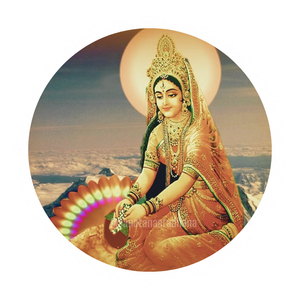
एक समय की बात है किसी गांव में एक साहूकार रहता था। उसके सात बेटे थे। दीपावली से पहले साहूकार की पत्नी घर की पुताई करने के लिए मिट्टी लेने खदान गई। वहां वह कुदाल से मिट्टी खोदने लगी। दैवयोग से साहूकार की पत्नी को उसी स्थान पर एक “साही” की मांद दिखाई दी। अचानक कुदाल स्त्री के हाथों से “साही” के बच्चे को लग गई, जिससे उसकी मृत्यु हो गई। “साही”के बच्चे की मौत का साहूकारनी को बहुत दुख हुआ। परंतु वह अब कर भी क्या सकती थी, वह पश्चाताप करती हुई अपने घर लौट आई।
कुछ समय बाद सहूकारनी के एक बेटे की मृत्यु हो गई। इसके बाद लगातार उसके सातों बेटों की मौत हो गई। इससे वह बहुत दुखी रहने लगी। एक दिन उसने अपनी एक पड़ोसी को “साही” के बच्चे की मौत की घटना कह सुनाई और बताया कि उसने जानबूझ कर कभी कोई पाप नहीं किया। यह हत्या उससे गलती से हुई थी जिसके परिणाम स्वरूप उसके सातों बेटों की मौत हो गई। यह बात जब सबको पता चली तो गांव की वृद्ध औरतों ने साहूकार की पत्नी को दिलासा दिया।
वृद्ध औरतों साहूकार की पत्नी को चुप करवाया और कहने लगी आज जो बात तुमने सबको बताई है, इससे तुम्हारा आधा पाप नष्ट हो गया है। इसके साथ ही, उन्होंने साहूकारनी को अष्टमी के दिन भगवती माता तथा “साही” और “साही” के बच्चों का चित्र बनाकर उनकी आराधना करने को कहा। इस प्रकार क्षमा याचना करने से तुम्हारे सारे पाप धुल जाएंगे और कष्ट दूर हो जाएंगे।
साहूकार की पत्नी उनकी बात मानते हुए कार्तिक मास की कृष्ण पक्ष की अष्टमी को व्रत रखा व विधि पूर्वक पूजा कर क्षमा याचना की। इसी प्रकार उसने प्रतिवर्ष नियमित रूप से इस व्रत का पालन किया। जिसके बाद उसे सात पुत्र रत्नों की प्राप्ति हुई। तभी से अहोई व्रत की परम्परा चली आ रही है।
Let us immerse ourselves in this sacred narrative that reveals the profound significance and origin of Ahoi Vrat, a day when mothers pray for the well-being and long life of their children. This heartwarming Katha illustrates the power of repentance, faith, and divine compassion.
Once upon a time, in a certain village, there lived a wealthy sahukar who had seven sons. Before Diwali, the sahukar’s wife went to a clay pit to gather earth for whitewashing her home. There, she began digging the earth with a pickaxe. As destiny would have it, she spotted a porcupine’s burrow at that very spot. Tragically, the pickaxe slipped from her grasp and accidentally struck a baby porcupine, killing it instantly. The sahukar’s wife was filled with immense sorrow over the porcupine baby’s demise. Yet, what could be done now? She returned home, her heart heavy with deep remorse.
Some time later, one of the sahukar’s sons passed away. Soon after, one by one, all seven of her beloved sons departed from this world. She was plunged into profound grief and despair. One day, she recounted the incident of the porcupine baby’s death to a neighbor and explained that she had never intentionally committed any sin. This killing was an unintentional mistake, and she believed it was the cause of her seven sons’ untimely deaths. When this sorrowful tale became known throughout the village, the wise elder women offered comfort and solace to the sahukar’s wife.
The elder women gently quieted the sahukar’s wife and spoke to her with compassion, saying, “By openly confessing your deed today, half of your sin has already been absolved. Furthermore,” they advised, “you must observe a special Puja on the day of Ashtami. Draw an image of Bhagwati Mata along with the porcupine and its young, and then worship them with devotion. By performing this worship and sincerely seeking forgiveness, all your sins will be cleansed, and your sorrows and troubles will surely vanish.”
Heeding their wise counsel, the sahukar’s wife observed the Vrat on the Ashtami of the Krishna Paksha (dark fortnight) in the month of Kartik. She performed the Puja with full devotion and sought heartfelt forgiveness. She continued to observe this sacred Vrat diligently every year. And by divine grace, she was blessed with seven precious sons. From that day forward, the sacred tradition of Ahoi Vrat has been observed by mothers, seeking the well-being and longevity of their children.