

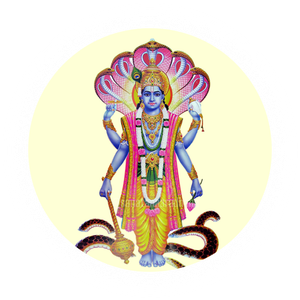
तिथि व महत्व: आषाढ़ मास के कृष्ण पक्ष की एकादशी को “योगिनी एकादशी” कहा जाता है। धर्मग्रन्थों में इसे ऐसा व्रत बताया गया है जो एक ओर पापों का शोधन करता है और दूसरी ओर इहलोक में सुख, संग और समृद्धि तथा परलोक में मुक्ति का मार्ग खोलता है। इस एकादशी का फल अट्ठासी सहस्र ब्राह्मणों को तृप्त कराने के समान बताया गया है।
योगिनी एकादशी व्रत कथा
श्रीकृष्ण ने अर्जुन से कहा—हे पाण्डुपुत्र! यह व्रत तीनों लोकों में प्रसिद्ध है। इसका प्रभाव सुनो। अलकापुरी में धन के अधिपति और भगवान शिव के अनन्य भक्त राजा कुबेर राज्य करते थे। उनके पास हेममाली नाम का एक यक्ष सेवक था, जिसका कार्य था प्रतिदिन मानसरोवर से ताजे पुष्प लाकर शिव-पूजन हेतु राजा को देना।
हेममाली की पत्नी विशालाक्षी अत्यन्त रूपवती थी। एक दिन हेममाली फूल तो ले आया, पर पत्नी-संग के मोह में पड़कर पुष्प अलग रख दिए और उसके साथ रमण करने लगा। इसी में मध्याह्न का समय निकल गया और राजा के शिव-पूजन के लिये पुष्प न पहुँचे।
जब कुबेर ने देखा कि पूजा का समय बीत रहा है और पुष्प नहीं आये तो उन्होंने सेवकों से पूछताछ करवाई। सेवकों ने आकर कहा—“हे राजन! हेममाली अपनी पत्नी के साथ विहार कर रहा है, इसीलिये पुष्प नहीं लाया।” यह सुनकर कुबेर क्रोध से भर उठे, उनके अधर थरथराने लगे और बोले—“अरे दुराचारी! तूने मेरे पूज्य देव देवादिदेव महादेव का अपमान किया है। जा, स्त्री-वियोग का दुख भोग और मृत्युलोक में जाकर कुष्ठ रोग से पीड़ित जीवन जी!”
श्राप मिलते ही हेममाली स्वर्ग से गिरकर पृथ्वी पर आ पड़ा। देह पर भयानक कोढ़ हो गया, पत्नी उससे छूट गयी और वह अकेला कष्ट झेलने लगा। फिर भी शिव-भक्ति की पूर्व संस्कारवश उसकी बुद्धि भ्रमित न हुई, उसे अपना अपराध याद रहा और वह प्रायश्चित्त की खोज में उत्तर दिशा की ओर चलता हुआ हिमालय पहुँचा।
वहाँ उसने महातपस्वी, दीर्घायु, तेजस्वी महर्षि मार्कण्डेय को देखा। वह उनके चरणों में गिर पड़ा। ऋषि ने करुणा से पूछा—“बताओ, ऐसा कौन-सा दोष किया कि यह दुर्दशा मिली?” हेममाली ने सारा वृत्तान्त सच-सच कह सुनाया—कुबेर की सेवा, मानसरोवर के पुष्प, स्त्री-मोह, पूजा का समय चूकना और राजा का श्राप—सब कुछ।
मार्कण्डेय मुनि बोले—“तूने सत्य कहा है, इसीलिये तेरा उद्धार सम्भव है। अब तू आषाढ़ कृष्ण की ‘योगिनी एकादशी’ का विधिपूर्वक व्रत कर, रात्रि में जागरण और श्रीविष्णु का नाम-स्मरण कर। इस एकादशी का महात्म्य इतना प्रबल है कि श्रापजन्य पाप भी नष्ट हो जाता है।”
मुनि की आज्ञा पाकर हेममाली ने उसी प्रकार व्रत किया। व्रत के प्रभाव से उसका कुष्ठ दूर हुआ, पूर्व यक्ष रूप लौट आया और उसकी पत्नी भी उससे मिल गयी। इस प्रकार एक एकादशी ने उसे रोग-मुक्ति, स्त्री-संग और दिव्य रूप—तीनों एक साथ प्रदान कर दिये।
कथा-सार
योगिनी एकादशी यह सिखाती है कि ईश्वर की सेवा में “थोड़ा-सा भी आलस्य” कभी-कभी बड़े श्राप का कारण बन जाता है, लेकिन उतना ही शक्तिशाली भगवान का व्रत और नाम-स्मरण उस श्राप को काट भी सकता है। जो भक्त नियम, संयम और श्रद्धा से यह व्रत करते हैं, उनके पाप नष्ट होते हैं और वे इहलोक में सुख, तथा अंत में विष्णु के धाम को प्राप्त होते हैं।
Tithi V Mahatv: Ashadh Mas Ke Krishna Paksh Ki Ekadashi Ko “Yogini Ekadashi” Kaha Jata Hai. Dharmagranthon Men Ise Aisa Vrat Bataya Gaya Hai Jo Ek Or Papon Ka Shodhan Karta Hai Aur Dusri Or Ihlok Men Sukh, Sang Aur Samriddhi Tatha Parlok Men Mukti Ka Marg Kholta Hai. Is Ekadashi Ka Phal Atthasi Sahasr Brahmnon Ko Tript Karane Ke Saman Bataya Gaya Hai.
Yogini Ekadashi Vrat Katha
Shrikrishn Ne Arjun Se Kaha—He Panduputr! Yah Vrat Tinon Lokon Men Prasiddh Hai. Iska Prabhav Suno. Alkapuri Men Dhan Ke Adhipti Aur Bhagwan Shiv Ke Anany Bhakt Raja Kuber Rajy Karte The. Unke Pas Hemmali Nam Ka Ek Yaksh Sevak Tha, Jiska Kary Tha Pratidin Mansrovar Se Taje Pushp Lakar Shiv-Pujan Hetu Raja Ko Dena.
Hemmali Ki Patni Vishalakshi Atyant Rupvti Thi. Ek Din Hemmali Phul To Le Aya, Par Patni-Sang Ke Moh Men Padkar Pushp Alag Rakh Die Aur Uske Sath Raman Karne Laga. Isi Men Madhyahn Ka Samay Nikal Gaya Aur Raja Ke Shiv-Pujan Ke Liye Pushp N Pahunche.
Jab Kuber Ne Dekha Ki Puja Ka Samay Bit Raha Hai Aur Pushp Nahin Aye To Unhonne Sevkon Se Puchhhtachhh Karvai. Sevkon Ne Akar Kaha—“He Rajan! Hemmali Apni Patni Ke Sath Vihar Kar Raha Hai, Isiliye Pushp Nahin Laya.” Yah Sunkar Kuber Krodh Se Bhar Uthe, Unke Adhar Tharthrane Lage Aur Bole—“Are Durachari! Tune Mere Pujy Dev Devadidev Mahadev Ka Apman Kiya Hai. Ja, Stri-Viyog Ka Dukh Bhog Aur Mrityulok Men Jakar Kushth Rog Se Pidit Jivan Ji!”
Shrap Milte Hi Hemmali Svarg Se Girkar Prithvi Par A Pada. Deh Par Bhayanak Kodh Ho Gaya, Patni Usse Chhhut Gayi Aur Vah Akela Kasht Jhelne Laga. Phir Bhi Shiv-Bhakti Ki Purv Sanskarvash Uski Buddhi Bhramit N Hui, Use Apna Apradh Yad Raha Aur Vah Prayashchitt Ki Khoj Men Uttar Disha Ki Or Chalta Hua Himalay Pahuncha.
Vahan Usne Mahatpasvi, Dirghayu, Tejasvi Maharshi Markandey Ko Dekha. Vah Unke Charnon Men Gir Pada. Rishi Ne Karuna Se Puchhha—“Batao, Aisa Kaun-Sa Dosh Kiya Ki Yah Durdsha Mili?” Hemmali Ne Sara Vrittant Sach-Sach Kah Sunaya—Kuber Ki Seva, Mansrovar Ke Pushp, Stri-Moh, Puja Ka Samay Chukna Aur Raja Ka Shrap—Sab Kuchhh.
Markandey Muni Bole—“Tune Saty Kaha Hai, Isiliye Tera Uddhar Sambhav Hai. Ab Tu Ashadh Krishna Ki ‘Yogini Ekadashi’ Ka Vidhipurvak Vrat Kar, Ratri Men Jagran Aur Shrivishnu Ka Nam-Smaran Kar. Is Ekadashi Ka Mahatmy Itna Prabal Hai Ki Shrapjany Pap Bhi Nasht Ho Jata Hai.”
Muni Ki Ajna Pakar Hemmali Ne Usi Prakar Vrat Kiya. Vrat Ke Prabhav Se Uska Kushth Dur Hua, Purv Yaksh Rup Laut Aya Aur Uski Patni Bhi Usse Mil Gayi. Is Prakar Ek Ekadashi Ne Use Rog-Mukti, Stri-Sang Aur Divy Rup—Tinon Ek Sath Pradan Kar Diye.
Katha-Sar
Yogini Ekadashi Yah Sikhati Hai Ki Ishwar Ki Seva Men “Thoda-Sa Bhi Alasy” Kabhi-Kabhi Bade Shrap Ka Karan Ban Jata Hai, Lekin Utna Hi Shaktishali Bhagwan Ka Vrat Aur Nam-Smaran Us Shrap Ko Kat Bhi Sakta Hai. Jo Bhakt Niyam, Sanyam Aur Shraddha Se Yah Vrat Karte Hain, Unke Pap Nasht Hote Hain Aur Ve Ihlok Men Sukh, Tatha Ant Men Vishnu Ke Dham Ko Prapt Hote Hain.
Let us now listen to the sacred Katha of Yogini Ekadashi, which inspires devotion to Bhagwan’s service and explains the great merits of observing this Ekadashi Vrat.
The Sacred Narrative of King Kubera and the Yaksha Hemamali
Date and Significance: The Ekadashi that falls during the Krishna Paksha (dark fortnight) of the Ashadha month is known as “Yogini Ekadashi”. The sacred texts declare this Vrat to be one that purifies all sins, and on the other hand, it opens the path to happiness, companionship, and prosperity in this world, and liberation in the afterlife. The merit gained from observing this Ekadashi is said to be equivalent to feeding eighty-eight thousand Brahmins.
The Divine Katha of Yogini Ekadashi Vrat
Shri Krishna narrated to Arjuna, “O son of Pandu! This Vrat is renowned throughout the three worlds. Listen now to its profound significance. In the city of Alkapuri, reigned King Kubera, the lord of wealth and an ardent devotee of Bhagwan Shiva. He had a Yaksha servant named Hemamali, whose duty was to daily bring fresh flowers from Manasarovar for the King’s Shiva Puja.
Hemamali’s wife, Vishalakshi, was exceptionally beautiful. One day, Hemamali brought the flowers, but overcome by attachment to his wife’s company, he set the flowers aside and became engrossed in her presence. Thus, the midday passed, and the flowers for the King’s Shiva Puja did not reach him.
When King Kubera saw that the time for Puja was passing and the flowers had not arrived, he inquired with his servants. The servants returned and reported, ‘O King! Hemamali is enjoying himself with his wife, which is why he has not brought the flowers.’ Hearing this, King Kubera was filled with rage, his lips trembled, and he exclaimed, ‘O wicked one! You have dishonored my revered Deity, the Lord of Lords, Mahadev! Go, suffer the pain of separation from your wife, and live a life afflicted with leprosy in the mortal world!’
As soon as he received the curse, Hemamali fell from Swargaloka (heaven) onto the Earth. His body became terribly afflicted with leprosy, his wife was separated from him, and he suffered alone. Yet, due to the virtuous imprints (sanskara) of his past devotion to Shiva, his mind did not waver. He remembered his transgression and, in search of expiation, walked northwards until he reached the Himalayas.
There he beheld the great ascetic, the long-lived and effulgent Maharishi Markandeya. He prostrated himself at the Rishi’s feet. The sage, filled with compassion, asked, ‘Tell me, what transgression did you commit to bring about this plight?’ Hemamali truthfully recounted the entire story—King Kubera’s service, the flowers from Manasarovar, his attachment to his wife, missing the Puja time, and the King’s curse—everything.
Maharishi Markandeya said, ‘You have spoken the truth, and therefore your redemption is possible. Now, observe the ‘Yogini Ekadashi’ Vrat during the Krishna Paksha of Ashadha month with proper rituals, keep an all-night vigil, and constantly remember the divine name of Shri Vishnu. The glory (Mahatmya) of this Ekadashi is so immense that even sins born from curses are destroyed.’
Following the sage’s command, Hemamali observed the Vrat exactly as instructed. By the power of the Vrat, his leprosy vanished, his original Yaksha form returned, and his wife was reunited with him. Thus, this single Ekadashi bestowed upon him freedom from disease, reunion with his wife, and his divine form—all at once.
The Essence of the Sacred Katha
Yogini Ekadashi teaches us that even ‘a little idleness’ in the service of the Divine can sometimes lead to a great curse, but equally powerful is the observance of Bhagwan’s Vrat and the chanting of His divine names, which can counteract that very curse. Devotees who observe this Vrat with discipline (Niyam), self-control (Samyam), and unwavering faith (Shraddha), find their sins destroyed, experience happiness in this world, and ultimately attain the divine abode of Bhagwan Vishnu.